![AdobeStock_304902871-[Converted]](https://www.foleychiropractic.net/wp-content/uploads/2018/08/AdobeStock_304902871-Converted-291x300.png "AdobeStock_304902871-[Converted]")
Ski Season
Ski Season Demands Spinal Prep
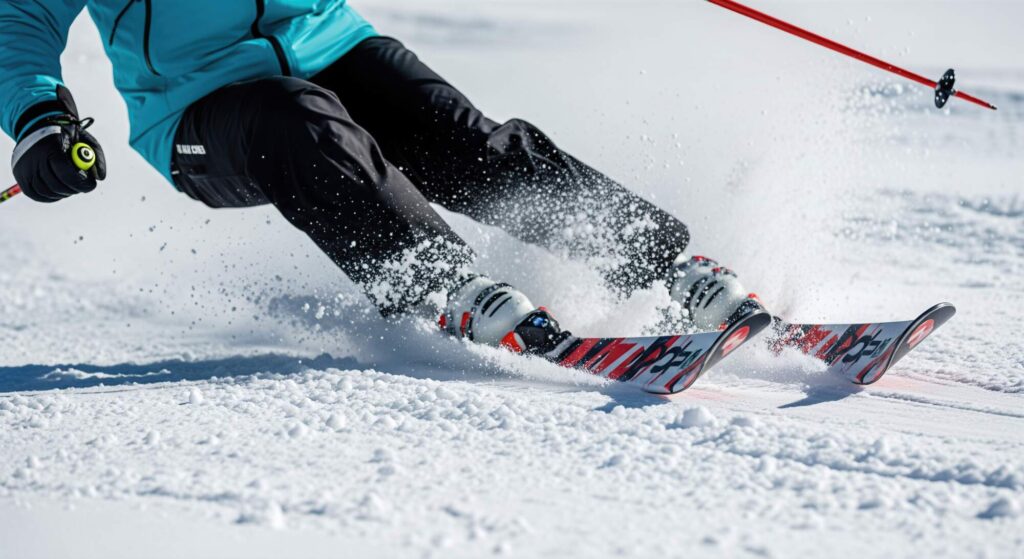
Skiing is an exhilarating sport—and a demanding one. The repetitive twisting, sudden direction changes, and impact forces place significant stress on your spine, hips, and knees. If you’re planning a season of runs or dreaming of a ski trip this winter, starting your preparation now in the fall gives your body the time it needs to build strength, mobility, and resilience. Skiers who neglect spinal health often end up sidelined by injury; those who train smart enjoy the season injury-free.
The key is preventive mobility work. Rather than waiting for pain to develop mid-season, proactive spinal alignment and mobility training reduce injury risk and improve your performance on the slopes.
Assess Your Current Spinal Alignment
Before you begin any training routine, you need to know where you stand. A chiropractic assessment from Dr. Foley is the smart first step. He can identify restrictions in your spine, misalignments in your pelvis, and movement imbalances that could become problems under the demands of skiing. These restrictions often go unnoticed in daily life but become glaringly obvious when you’re carving hard turns or absorbing mogul impacts.
During an assessment, Dr. Foley will evaluate your spinal mobility, rotational range of motion, and postural alignment. They can spot asymmetries—for example, if one hip is tighter than the other—that skiing will aggravate. Catching these issues early allows you to address them before season starts.
Key Mobility Drills for Skiers
Once you understand your baseline, targeted mobility work becomes your best friend. Here are four essential areas to focus on:
- Thoracic Rotation: Your mid-back needs freedom to rotate. Try lying on your side, knees bent, and gently rotating your upper back to open your chest. Repeat 10–12 times per side, several times per week. This mobility is crucial for turning control and spinal stability.
- Hip Mobility: Tight hips force compensation in your lower back. 90/90 stretches (sitting with one leg in front, one to the side) and deep lunges with a twist help open your hip flexors and external rotators—exactly what skiing demands.
- Spinal Extension and Flexion: Cat-cow stretches, gentle backbends, and forward folds help maintain balanced mobility through your entire spine. Do these daily for 5–10 minutes.
- Core Activation: A strong core stabilizes your spine during the torque of skiing. Planks, dead bugs, and pallof presses (resisting rotational force) build the endurance your core needs for a full day on the mountain.
As you train, stay mindful of your posture. Many skiers spend their fall preparing in a desk or car—positions that tighten the hip flexors and round the upper back. This counteracts mobility work and sets you up for poor spinal alignment on the slopes. Take frequent breaks, stand up, and reset your posture throughout the day. Your spine will thank you when you’re bombing down a black diamond in January.
Ideally, start your mobility prep 8–12 weeks before your first ski day. Here’s a simple framework:
- Weeks 1–2: Schedule a chiropractic assessment and establish baseline mobility.
- Weeks 3–8: Follow a structured mobility routine 4–5 days per week, incorporating the drills above plus sport-specific conditioning (lunges, single-leg balance, lateral movement).
- Weeks 9–12: Maintain mobility work while ramping up cardiovascular fitness and sport-specific training (if you have access to dry land training or beginner slopes).
As your training progresses, periodic visits to Dr. Foley ensure your spine stays aligned and your mobility gains translate into better performance. Adjustments can clear restrictions that home stretching misses, and he can refine your training plan based on how your body responds.
Ski season is worth the preparation. A few hours of mobility work and professional spinal assessment now means more pain-free days on the slopes, better form, and a season you’ll actually enjoy—not endure.
Call 612-730-4091 or visit our contact page.